Multifamily & HOA Concrete Repair in Dallas-Fort Worth
Trip hazards, broken parking stalls, cracked breezeways, pool decks and dumpster pads. We fix them building by building so residents can still get home, and we document every repair for your files.
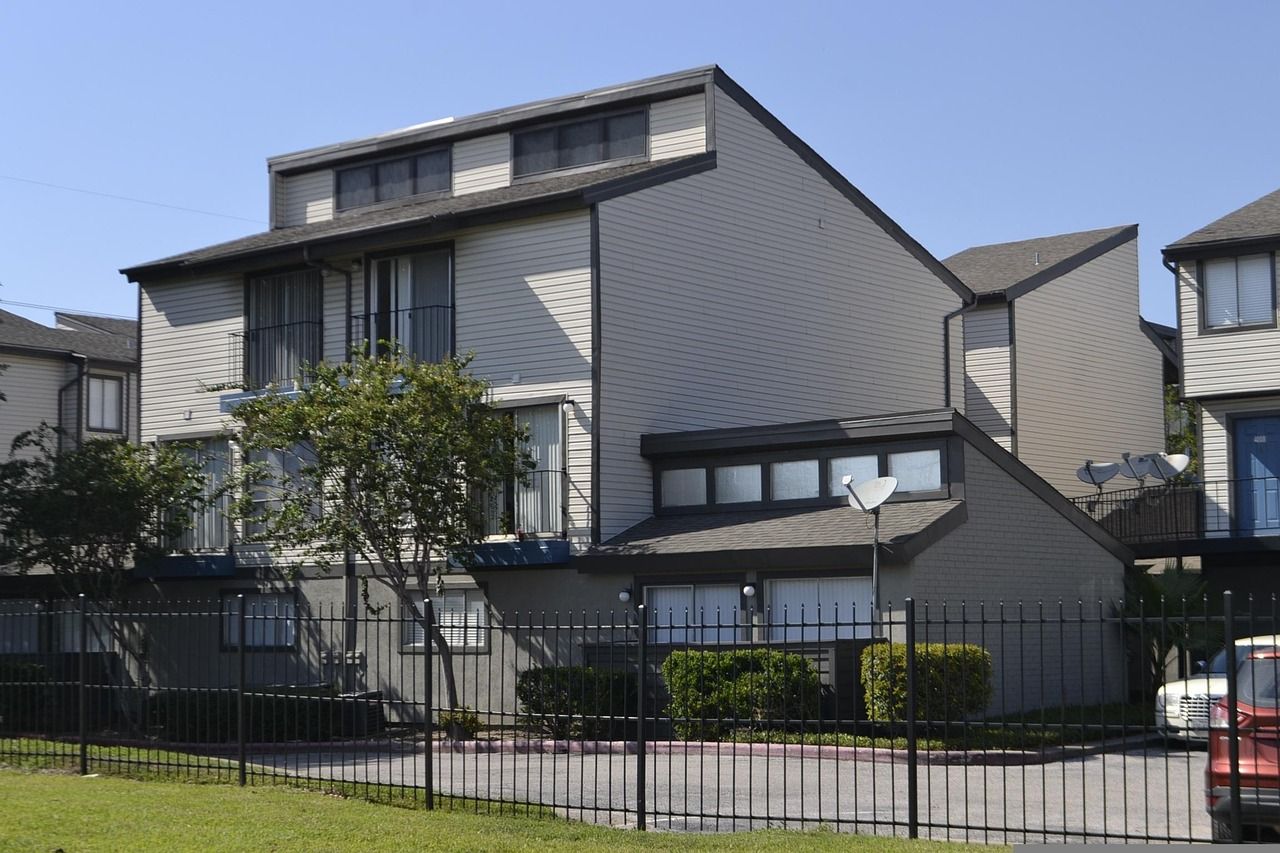 Property managers · Regional managers · HOA boards
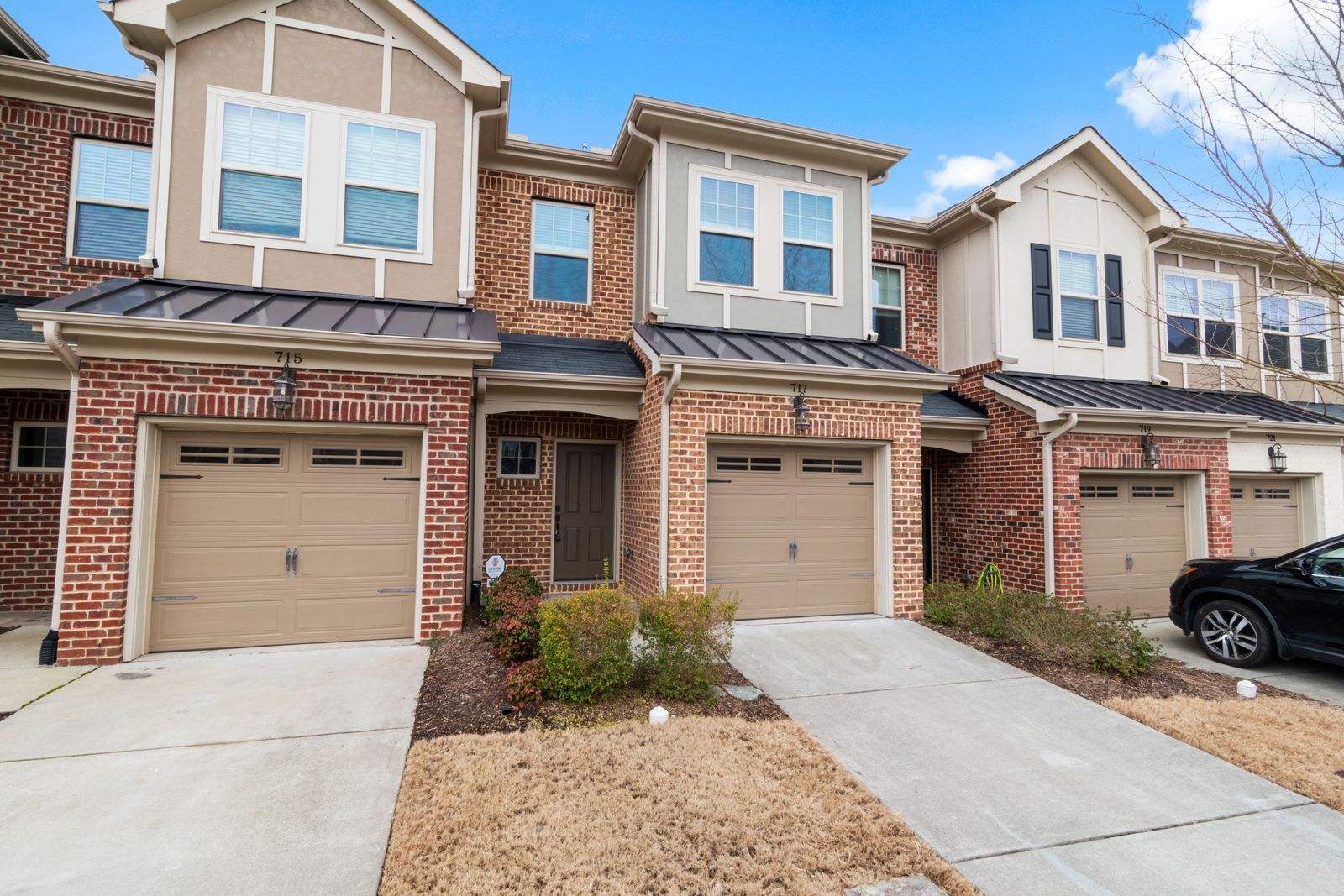
Trip hazards don't wait for next year's budget
Apartment communities have miles of sidewalk, and residents walk it at night, carrying groceries, looking at their phones. One lifted panel near a mailbox kiosk is a claim waiting to happen. Your insurance carrier knows that, and so do city inspectors.
Most DFW communities built in the 1970s through the 2000s sit on clay that has been heaving and settling ever since. Panels tip at the joints. Breezeway slabs crack. Parking stalls at the dumpster corral break up under the garbage truck. None of it fixes itself.
We work for the people who have to answer for it:
- Community managerswho need a hazard fixed fast and residents kept happy.
- Regional and portfolio managerswho want the same scope format and photo closeout at every property.
- HOA boardswho need clear bids they can compare and a contractor who shows up at the meeting if asked.
- Maintenance supervisorswho are tired of orange paint and cones on the same panel for six months.
Apartment and HOA concrete services
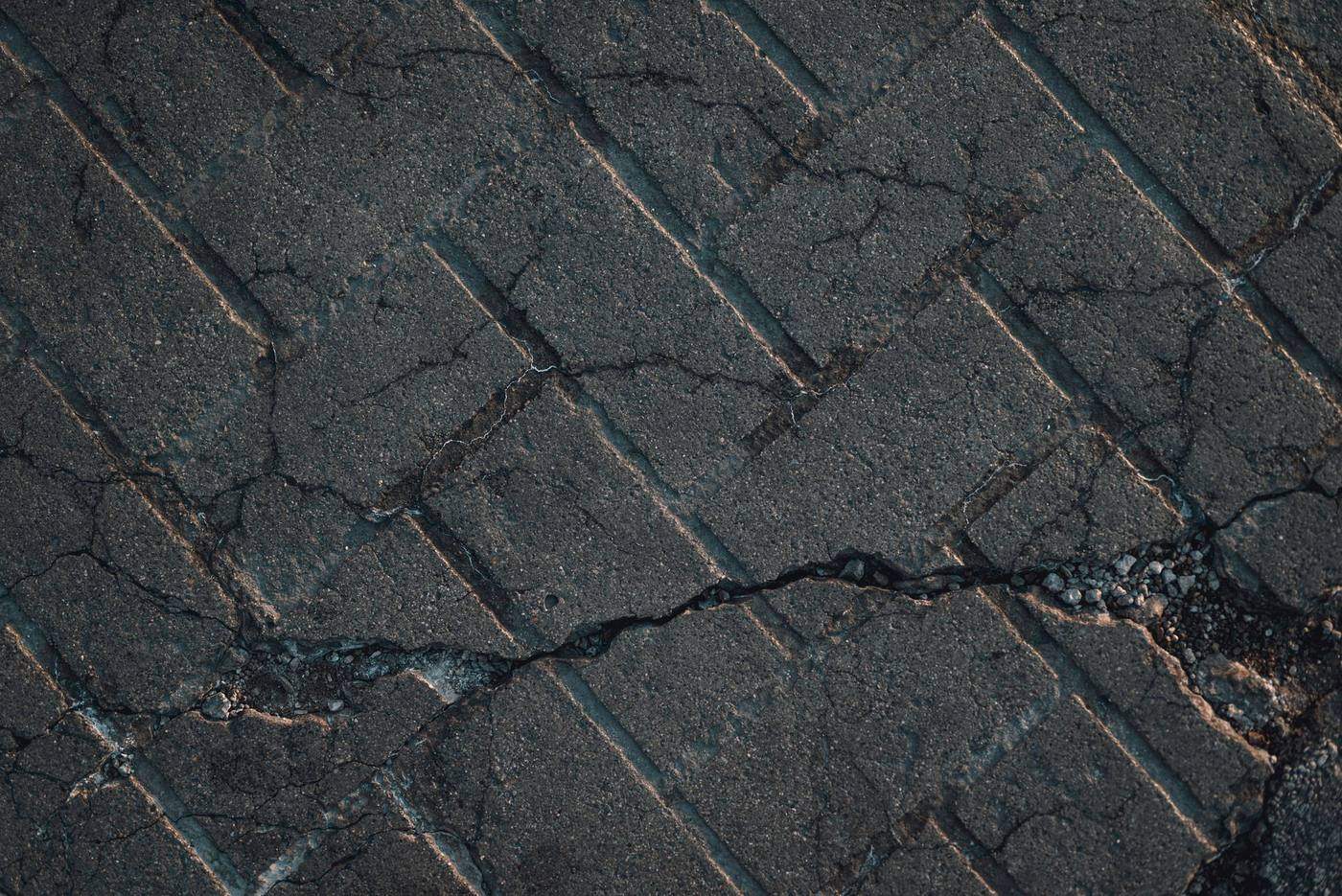
Sidewalk trip hazards
Lifted and sunken panels, broken edges, gaps at joints. Fixed or replaced, then sealed.
See details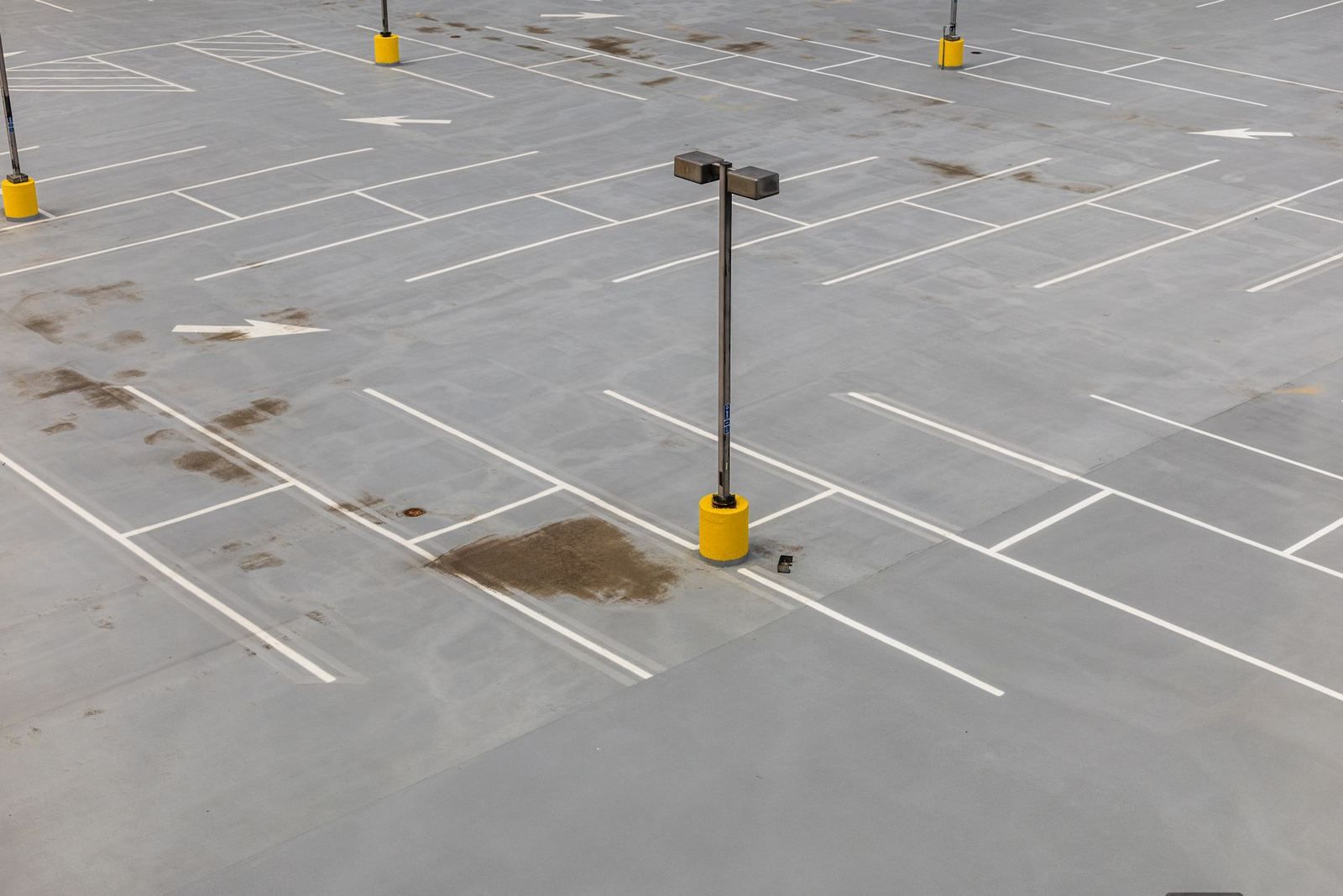
Parking lots & drive lanes
Broken stalls, failed joints, sunken areas at entry gates and fire lanes.
See details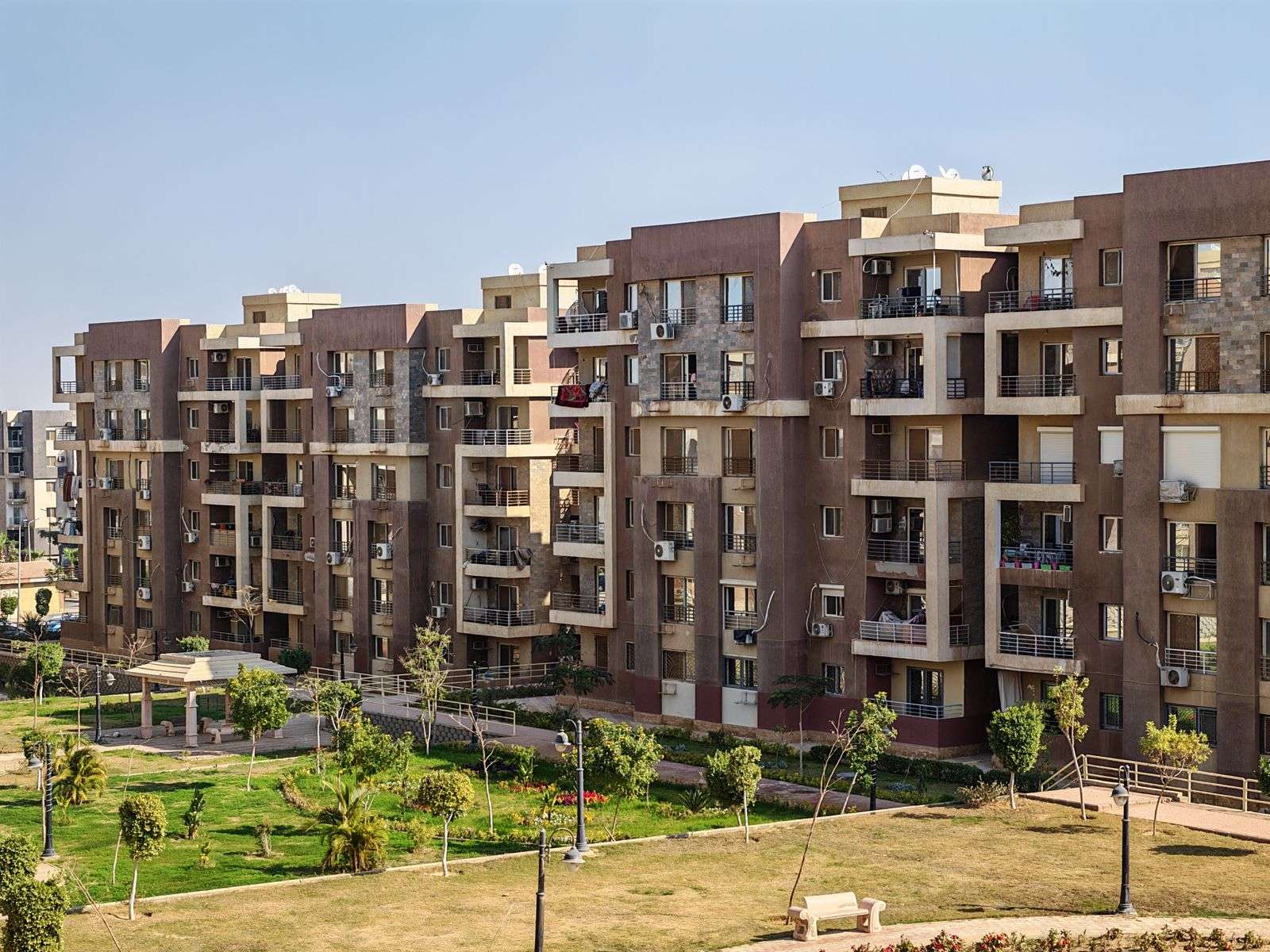
Breezeways & landings
Cracked breezeway slabs and stair landings that residents use every day.
See details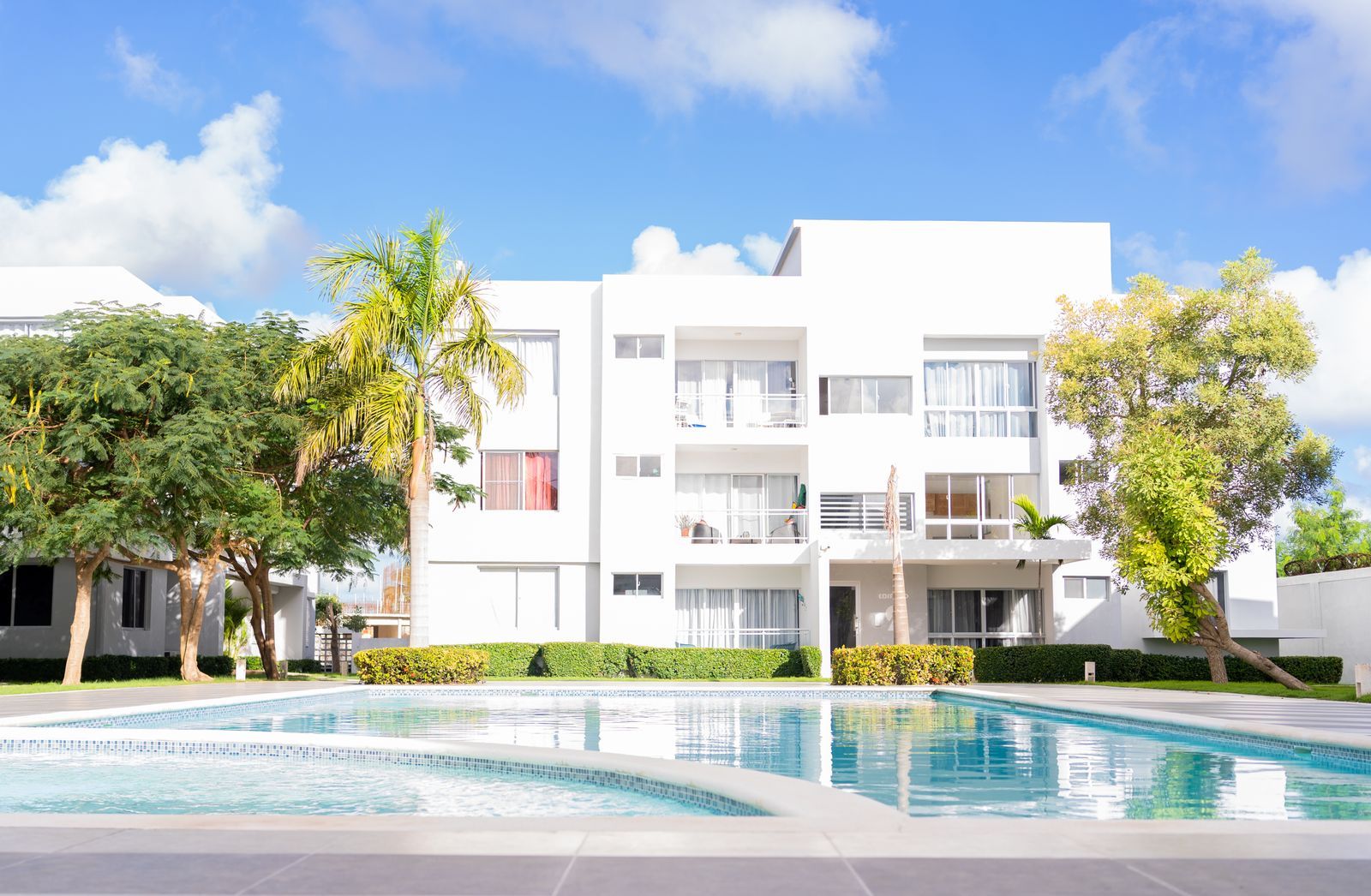
Pool decks
Cracked, heaved or slick pool deck concrete. Joint sealing before pool season.
See details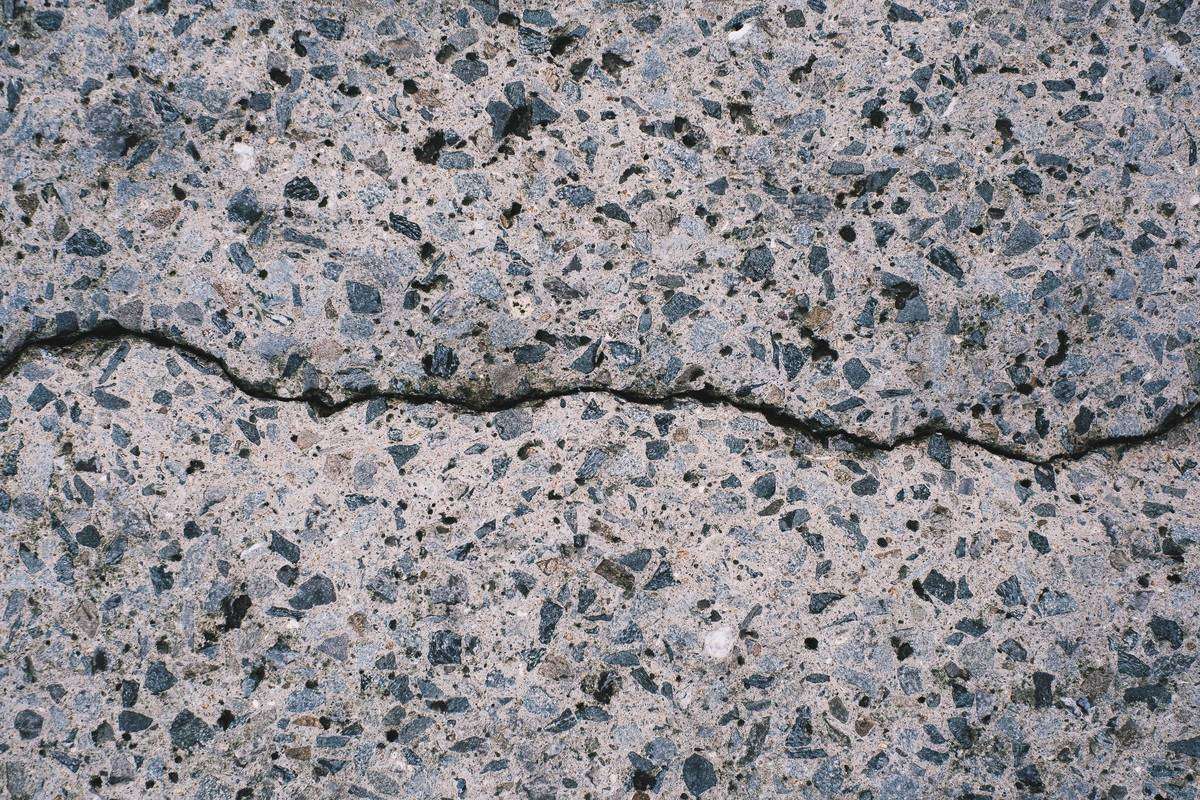
Dumpster pads & enclosures
Pads rebuilt thicker so the garbage truck stops breaking them.
See detailsCurbs, ramps & ADA routes
Broken curbs, curb ramps, and accessible routes from parking to the leasing office.
See detailsBuilt around residents, notices and deadlines
Resident notices
We give you the dates, the buildings and the areas that will be closed, early enough for your team to post notices. If a walkway has to close, we plan the detour before we start.
One building or one area at a time
We don't tear up the whole community at once. We work in zones so every unit keeps a way in, and we keep parking losses to a few stalls at a time.
Inspection deadlines
Trip hazards are a common write-up on city code inspections (Dallas runs a multi-tenant inspection program), HUD NSPIRE inspections, insurance loss-control visits and lender property reports. If you have a date, tell us. We'll put the cited items first and give you photos of each one when it's done.
HOA boards and bids
Boards need to compare bids line by line. Our estimates list each location, the square footage and the method, so you can see what you're paying for. If your reserve study has a concrete line item, we can price against it.
Fix it in place or replace the panel?
Not every trip hazard needs new concrete. Here's how we decide.
Fix in place
- The panel is solid, just tipped a little at one joint
- The height difference is small
- The base under it isn't washing out
- You need the hazard gone quickly and cheaply
Replace the panel
- The panel is cracked through or broken into pieces
- It keeps moving because the base is gone
- Tree roots are lifting it and will keep doing it
- It holds water or drains toward a building
Either way, we seal the joints next to the repair. Open joints are how the next panel starts to move.
Get the pool deck fixed before Memorial Day
Pool decks crack for the same reasons sidewalks do, plus splash water and pool chemicals. Residents are barefoot, so a lifted edge or a sharp crack matters more here than anywhere else on the property.
We replace broken deck sections, seal joints with a flexible sealant made for that use, and fix spots where water runs back toward the pool or a building. Spring is the busy season, so the earlier you call, the easier it is to finish before the pool opens.
How a community repair job runs
- 01
Walk and map
We walk the property and number every problem on a site map, with a photo of each one.
- 02
Priority scope
Safety items first, then the rest, priced line by line so you can approve in phases.
- 03
Schedule and notices
Dates and closed areas sent to you in time for resident notices.
- 04
Repair in zones
Work goes building by building, with barricades and a clear path for residents.
- 05
Closeout photos
Before-and-after photos for each numbered location, ready for your files or inspector.
What drives the cost of apartment and HOA concrete work
No prices posted, because every community is different. Here's what changes the number.
Number of locations
Twenty scattered trip hazards cost more per square foot than one big section, because of setup at each spot.
Repair method
Fixing a slightly tipped panel in place costs less than breaking it out and pouring new concrete.
Access
Breezeways and courtyards with no truck access mean concrete moves by wheelbarrow or pump.
Phasing
Working around residents in small zones takes more trips than an empty site.
Base and roots
Washed-out base or tree roots under a panel add digging, and sometimes root cutting.
Deadline
A tight inspection date may mean extra crews or weekend work.
Tip for managers: have us walk the whole property once and price everything. Doing all the hazards in one mobilization almost always costs less than calling for them one at a time.
What we look for on a property walk
Example photos are licensed stock images, not Revital Paving jobs. Real job photos are coming as projects finish.
Apartment and HOA concrete by city
Cities we serve
Multifamily & HOA Concrete Repair: common questions
How do you fix sidewalk trip hazards at an apartment complex?
Small height differences on solid panels can often be fixed in place. Broken panels, or panels that keep moving because the base is gone, get cut out and replaced. We seal the joints next to every repair so the next panel doesn't start moving.
Can residents still get to their units during the work?
Yes. We work one building or one zone at a time and keep a clear path to every unit. You get the dates and closed areas ahead of time so you can post notices.
We have an inspection coming. Can you prioritize the cited items?
Yes. Send us the report or the list. We'll put those items first and send you before-and-after photos of each one when it's done.
Do you give bids an HOA board can compare?
Yes. Each location is listed with square footage and repair method, so the board can compare bids line by line.
How long does a sidewalk panel replacement take?
The work at each spot usually takes a day or two. Then the new concrete needs time before heavy use. Foot traffic is usually fine within a day or two, and we'll tell you when.
What is the ADA rule for sidewalk trip hazards?
On accessible routes, the 2010 ADA Standards allow a vertical change of up to 1/4 inch. Between 1/4 and 1/2 inch it has to be beveled. Anything bigger needs to be fixed or ramped. Texas follows the Texas Accessibility Standards, which line up closely with these numbers.
Send us the address. We'll come look.
Photos get you the fastest answer. One wide shot that shows where the problem is, then a couple of close-ups. Put a shoe or a tape measure in the close-ups so we can judge size.
Mon-Fri 7:00 AM-5:00 PM
Got a list of trip hazards and a deadline?
Call or text 469-237-8862. Send the inspection list or a few photos and we'll start there.