Concrete Slab & Warehouse Floor Repair in DFW
Spalled joints that chew up forklift wheels, cracks that keep growing, broken dock aprons and truck courts. We repair them around your shifts, with materials picked for the traffic that floor sees.
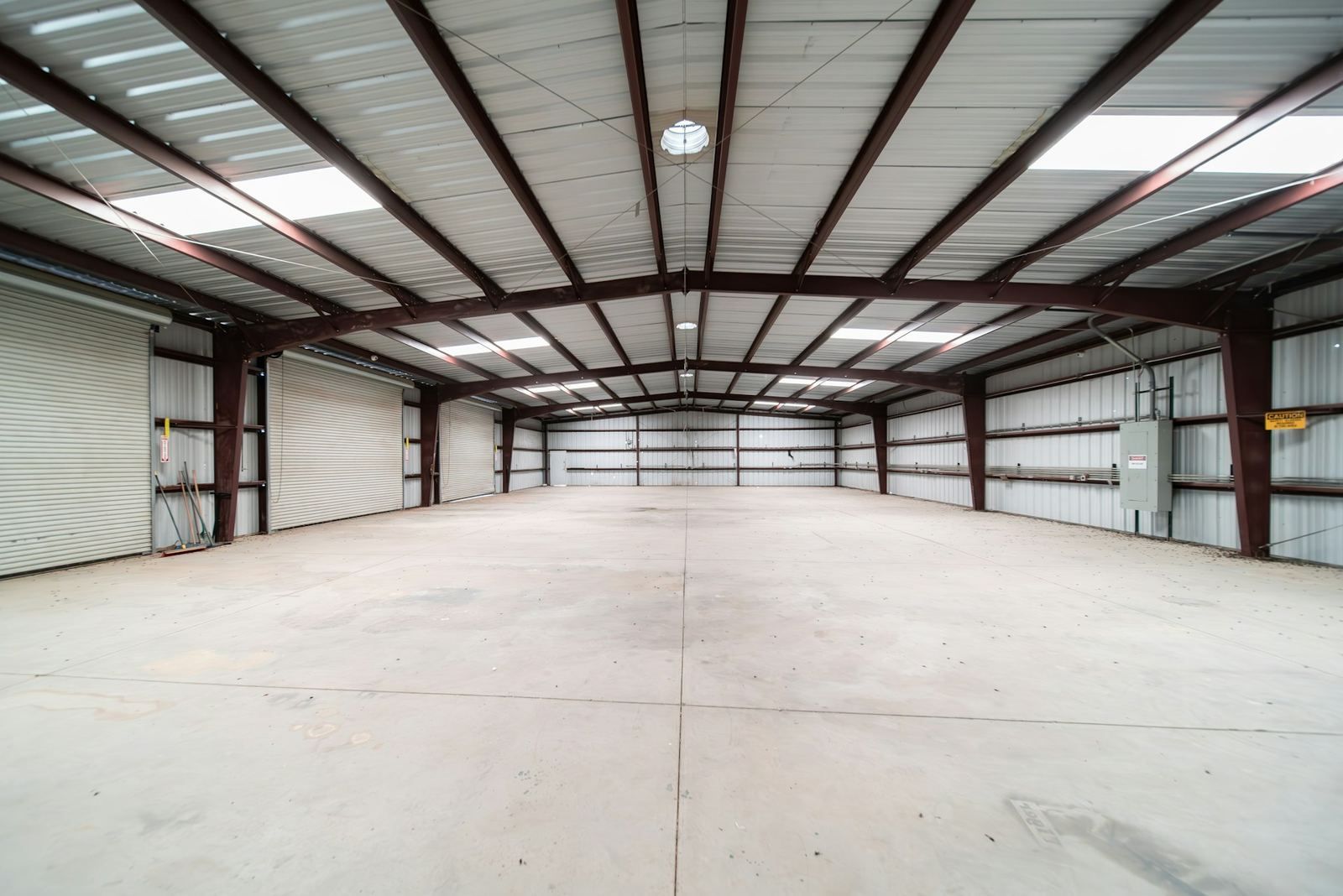 Warehouses · Distribution · Retail · Shops
Why warehouse floors break at the joints
A warehouse slab is cut into panels with saw-cut joints. Every forklift with hard wheels slams across those joints all day. If the joint filler is gone or was never there, the edges chip, then break, then turn into a trench that rattles the forklift and the load on it.
DFW has a huge amount of tilt-wall warehouse and distribution space, from Irving and the airport area to the I-20 corridor out toward Terrell. A lot of those floors are 10 to 25 years old and the joints are worn out.
Other slab problems we fix:
- Cracks across panels, including ones that have started moving up and down
- Broken or curled panel edges that make the floor uneven
- Trench patches left after plumbing or electrical work
- Dock aprons and truck courts broken up by trailers and yard trucks
- Retail and showroom slabs with patches that don't match
How we repair slabs and floors
The right fix depends on what failed. Here are the common ones.
Joint spall repair
Saw-cut out the broken edge, rebuild it with a repair mortar made for traffic, then refill the joint.
Joint filling
Fill joints with a semi-rigid filler that supports the edges under hard wheels. Some fillers can take traffic the same day.
Crack repair and stitching
Rout and fill cracks. For cracks that move, stitch across them with steel to hold the two sides together.
Partial and full-depth patches
Shallow damage gets a bonded patch. Deep or broken areas get cut out and poured full depth.
Panel replacement
When a panel is broken through, it comes out and goes back in, doweled to its neighbors.
Dock aprons and truck courts
Rebuilt thick, with steel, to handle trailer landing gear and yard trucks.
How we keep your floor running
- 01
Walk the floor
We mark every bad joint and crack, measure it, and photograph it.
- 02
Pick materials for the schedule
Some repairs can take traffic in hours, some need longer. We match the material to how long you can give up that aisle.
- 03
Plan the zones
Work goes aisle by aisle or bay by bay, on nights or weekends if needed.
- 04
Repair and clean up
Dust control, cleanup, and the area handed back on the agreed time.
- 05
Photo record
Before-and-after photos and a marked floor plan for your files.
What affects the cost of slab repair
Linear feet of joint
Joint repair is priced mostly by length, plus how deep the damage goes.
Material
Fast-setting materials that let you reopen in hours cost more than standard ones.
Schedule
Night and weekend work, and working around running equipment, add labor.
Depth of damage
A surface patch is a different job than cutting out a full-depth section.
Access
Racking, equipment and inventory that has to be moved or worked around.
Exterior areas
Dock aprons and truck courts need thicker concrete and more steel.
Cheapest repair is the early one: filling joints before the edges break costs a fraction of rebuilding a spalled joint later.
What a slab repair won't fix
If a floor has a structural problem, like a slab that has dropped because of a void or a building foundation issue, that needs an engineer to look at it first. We'll tell you if what we see looks like more than a slab repair, and we won't sell you a patch that hides a bigger problem.
We also don't do decorative coatings or polished floors. We fix and rebuild concrete so it works.
Related services and areas
Concrete Slab & Warehouse Floor Repair: common questions
How do you repair spalled joints in a warehouse floor?
We saw-cut out the broken concrete along the joint, rebuild the edge with a repair material made for forklift traffic, re-cut the joint, and fill it with a semi-rigid filler that supports the edges.
How long does the floor have to be closed?
It depends on the material. Some joint fillers and repair mortars take traffic in a few hours. Full-depth repairs take longer. We match the material to how long you can give up the area.
Can you work nights or weekends?
Yes, that can be scheduled. Tell us your shift times during the estimate.
What joint filler should a warehouse floor have?
For joints that see hard forklift wheels, a semi-rigid filler (usually epoxy or polyurea) is the common choice because it supports the joint edges. Soft caulks don't hold up there.
How much does warehouse floor repair cost?
Joint work is priced mostly by linear foot and depth of damage. Patches and panels are priced by area. Schedule and material choice also matter. We give you a written estimate after we walk the floor.
Can you fix cracks in a retail or office slab?
Yes. We repair cracks and patches on retail, showroom and office slabs too, and we'll talk about how the repair will look before we start.
Send us the address. We'll come look.
Photos get you the fastest answer. One wide shot that shows where the problem is, then a couple of close-ups. Put a shoe or a tape measure in the close-ups so we can judge size.
Mon-Fri 7:00 AM-5:00 PM
Forklifts rattling across broken joints?
Call or text 469-237-8862. Tell us how many joints and your shift times.